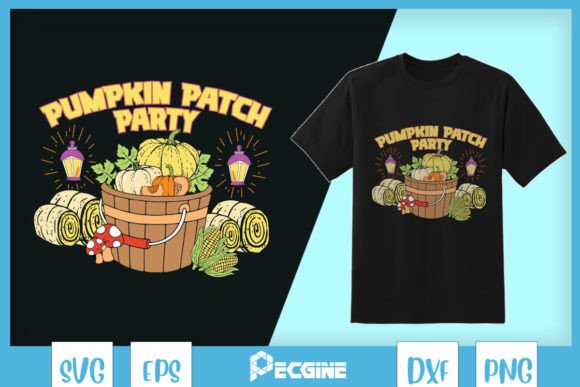
Pumpkin Patch Party
First Impressions: Whimsy with Sturdy Embroidery Potential
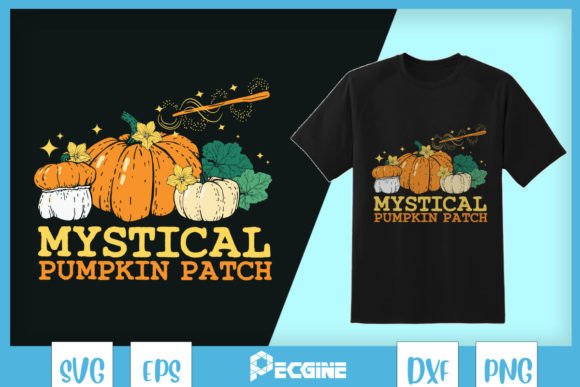
Opening Pumpkin Patch Party feels like stepping into a sunlit October morning—warm, inviting, and full of quiet charm. It’s not overly busy or cartoonish; instead, it balances playful pumpkin shapes with clean negative space and intentional flow. The composition leans gently to one side, suggesting movement—perfect for wrapping around a tote bag handle or curving across a sweatshirt chest. As a machine embroidery design, it reads clearly at a glance: no tiny stems lost in fill stitch, no overlapping vines that’ll tangle threads mid-run. That matters. Because when you’re stitching 30 custom aprons for a local farm-to-table boutique, clarity saves time, thread, and sanity.
A Real Project Test: Embroidering the Tote Bag That Sold Out
Last week, I prepped Pumpkin Patch Party for a small-batch run of canvas tote bags—intended as holiday gifts for a client’s coffee shop team. I chose medium-weight natural canvas, medium-cut tear-away stabilizer, and matte cotton thread in burnt orange, olive green, and cream. The result? A finished product that looked handmade *without* looking labored. Customers kept asking, “Did you draw that?”—a sign the design holds its personality through stitching. The rounded pumpkin outlines translated beautifully into satin stitch, and the open leaf shapes held crisp edges even at 4.5" wide. No puckering. No skipped stitches. Just warmth, cohesion, and subtle autumnal energy.
Where Pumpkin Patch Party Shines (and Where It Needs Thought)
This embroidery file thrives on stable, medium-to-heavy fabrics: denim jackets, cotton tea towels, twill aprons, baby blankets, and structured cap fronts. Its balanced proportions and moderate detail level make it highly adaptable across use cases:
- Custom apparel: Works cleanly on crewneck sweatshirts and relaxed-fit tees—especially when placed off-center or along a seam line.
- Personalized gifts: Pairs naturally with monogrammed initials on pillow covers or embroidered kitchen towels—adding seasonal charm without overwhelming the personal touch.
- Small shop products: Fits Etsy listings beautifully: think “Pumpkin Patch Party + Your Name” patches sewn onto organic cotton drawstring bags or mini quilted coasters.
- Holiday embroidery: Reads well in both warm and muted palettes—so it supports branding consistency whether you're selling for fall markets or year-round farmhouse decor.
Use With Care On These Surfaces
Pumpkin Patch Party isn’t built for ultra-fine detail work—and that’s okay. It’s not meant for 2" hoop embroidery on thin baby onesies or dense applique on stretchy jersey. Avoid it on:
- Fabrics with heavy texture (like bouclé or thick terry cloth), where fine vine lines may disappear;
- Curved, rigid surfaces like structured baseball caps—unless resized and tested first;
- Dark fabrics without high-contrast thread choices (cream thread on navy fades fast unless you add underlay or switch to ecru or oat);
- Products requiring frequent washing (e.g., baby bibs), unless you reinforce with cut-away stabilizer and lock stitches manually at key junctions.
What It Adds to Your Finished Product—Beyond the Stitch
Using Pumpkin Patch Party elevates perceived value—not because it’s flashy, but because it feels *considered*. Handmade product buyers respond to intentionality: the spacing between pumpkins, the slight asymmetry of the leaves, the way the design breathes on fabric. That translates directly to customer trust. When someone sees this on an Etsy listing, they don’t just see “pumpkin art”—they sense care, seasonality, and craft business authenticity. For boutique branding, it slots neatly into a cohesive visual language alongside neutral linens, ceramic mugs, and hand-printed cards. And yes—it photographs well. In printable mockups, it retains legibility in both natural light and soft studio lighting, which boosts buyer engagement and reduces post-purchase questions.
Practical Designer Notes Before You Stitch
Before adding Pumpkin Patch Party to your next embroidery project, take these five minutes:
- Test on scrap fabric first—especially if using textured or dark material. Watch how the vine details hold up after washing and drying.
- Review stitch density visually in your embroidery software. If the fill areas look overly dense, consider reducing density by 5–8% for breathable fabrics.
- Confirm hoop size compatibility. While the PNG is pre-sized, vector files (SVG, EPS, DXF) scale freely—so double-check dimensions before loading into your machine.
- Inspect small corners and curves in zoom view. Look for potential thread nests in tight turns—some minor digitizing tweaks may help if you’re running high-volume batches.
- Check licensing terms carefully before selling finished items or reselling digital embroidery files. Pumpkin Patch Party is listed as a Graphics asset within Crafts—but commercial use rights aren’t implied unless explicitly stated by the creator.
Final Thought: A Design That Serves the Maker First
Pumpkin Patch Party doesn’t shout. It invites. It fits quietly into real workflows—whether you’re stitching one personalized baby onesie or fifty embroidered sweatshirts for a fall festival vendor. It respects your time, your machine, and your customer’s eye. That’s rare. In a market flooded with over-digitized, trend-chasing graphics, this embroidery file stands out by doing less—and doing it well. It’s the kind of design that makes your small shop feel curated, your Etsy listings feel intentional, and your handmade product feel like it was made *for* someone—not just *at* them. If you’re building a seasonal collection, launching a craft business, or simply refreshing your holiday embroidery library, Pumpkin Patch Party earns its place—not as filler, but as foundation.