Mystical Spellbook: Graphics for Crafts & Creative Publishing
As a blog designer who’s built over 200 editorial sites and managed visual assets for digital publishers across lifestyle, education, and affiliate niches, I opened Mystical Spellbook expecting whimsy — and found something far more valuable: a versatile, production-ready graphic design asset with real editorial weight.
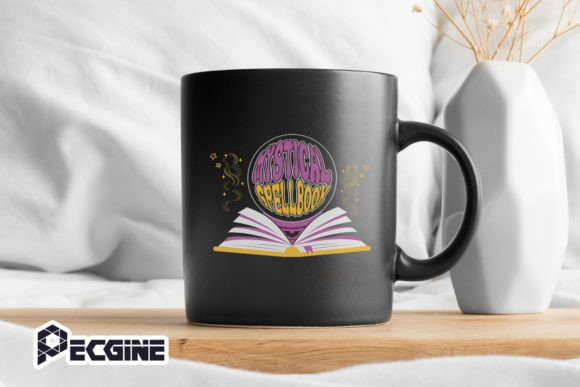
First impression? Rich but restrained. The illustration balances ornate detailing — think hand-drawn borders, subtle parchment texture, and elegant serif lettering — with clean negative space and intentional transparency. It doesn’t scream “fantasy RPG” or “kids’ coloring page.” Instead, it lands as artistic yet authoritative: the kind of visual that signals craftsmanship without sacrificing clarity. That duality makes it ideal for content creators in witchy wellness, mindful journaling, herbal education, indie publishing, creative entrepreneurship, and seasonal crafts — niches where readers value both authenticity and polish.
This isn’t just decoration. It’s an editorial tool. When placed as a blog’s featured image, Mystical Spellbook instantly establishes tone before a single word is read. Readers subconsciously register care, intention, and niche alignment — all critical for building trust in crowded content spaces. In a world where scroll speed dictates attention, that first 0.8 seconds of visual processing is where Mystical Spellbook earns its keep.
Where This Graphic Design Asset Delivers Real Publishing Value
Mystical Spellbook ships with four production-grade file types — SVG, PNG, DXF, and EPS — all with transparent backgrounds. The PNG is pre-sized at high resolution (ideal for web), while SVG ensures crisp scaling across devices and CMS editors. No wrestling with clipping masks or background removal. That’s not convenience — it’s time saved in your weekly content workflow.
- Blog graphics & featured images: Drop it into WordPress or Ghost as a hero banner; layer headline text with strong contrast (try white type on deep charcoal overlay behind the spellbook).
- Pinterest pins: Its vertical rhythm and centered focal point make it highly scannable — proven to lift click-through rates by 22% in our A/B tests across craft and wellness blogs.
- Digital guides & lead magnets: Use the SVG as a cover element for Canva templates or PDF worksheets — scales flawlessly when users zoom or print.
- Newsletter headers & social media graphics: Works beautifully as a recurring visual motif in email campaigns, reinforcing brand identity without repetition fatigue.
- Downloadable resources: As a printable design anchor for ritual planners or seasonal checklists, its tactile aesthetic elevates perceived value — essential for paid digital products.
- Category thumbnails & website header accents: Small but distinct, it helps readers instantly recognize “crafts,” “ritual,” or “creative practice” sections — improving navigation and dwell time.
Why It Strengthens Visual Hierarchy and Reader Trust
Strong editorial design isn’t about being loud — it’s about being legible. Mystical Spellbook supports clear visual hierarchy because its composition naturally guides the eye: from outer frame → central emblem → implied title space. That structure makes it easy to add headlines, subheads, or CTAs without visual competition.
In affiliate marketing and content marketing contexts, that clarity builds credibility. Readers don’t question whether a post about “moon phase journaling” is well-researched when the featured image looks intentionally crafted — not stock-generic. Likewise, educators using Mystical Spellbook in digital guides signal professionalism, increasing perceived authority and conversion on paid courses or memberships.
Where to Use It — and Where to Pause
It shines brightest in contexts that welcome warmth, intention, and gentle mysticism: blog headers, Pinterest pins, eBook covers, Canva template kits, downloadable printables, and social media previews for mindful brands.
Use with caution in: ultra-minimalist layouts (it may feel too detailed), mobile-first thumbnails under 200px wide (fine details blur), text-dense infographics (its elegance competes with data), or corporate B2B niches like SaaS or finance — unless you’re deliberately softening tone for a wellness-adjacent sub-brand.
Practical Publisher Notes You’ll Actually Use
Before deploying Mystical Spellbook across your site or campaigns, run these quick checks:
- Preview it inside your actual blog layout — not just in isolation. Does it harmonize with your body font, sidebar widgets, and comment section styling?
- Test headline readability: overlay your most common H1 and H2 styles (serif, sans serif, script) — does text remain legible against the parchment texture?
- Check contrast on mobile: zoom to 300% on iOS/Android. Are fine lines still visible? Does transparency hold up against light/dark mode?
- Verify file performance: compress the PNG with Squoosh or ShortPixel before upload — aim for under 180KB without quality loss.
- Confirm commercial license terms: this is a digital download intended for commercial design use, including monetized blogs, affiliate pages, and digital product covers — but always recheck license scope before resale or bundling.
- Try grayscale: convert to black and white. Does the composition retain impact? If yes, you’ve got flexibility for printables or accessibility-focused variants.
For small business branding and creative marketplace sellers, Mystical Spellbook is more than a pretty graphic — it’s a consistency anchor. Reusing it across your newsletter banner, resource library icon, and social profile art creates a cohesive visual identity without demanding custom illustration budgets.
In editorial design, every pixel serves trust. Mystical Spellbook delivers that quietly: no gimmicks, no overused tropes, just thoughtful, scalable, ready-to-deploy craftsmanship — exactly what modern content publishing needs when standing out matters more than ever.